
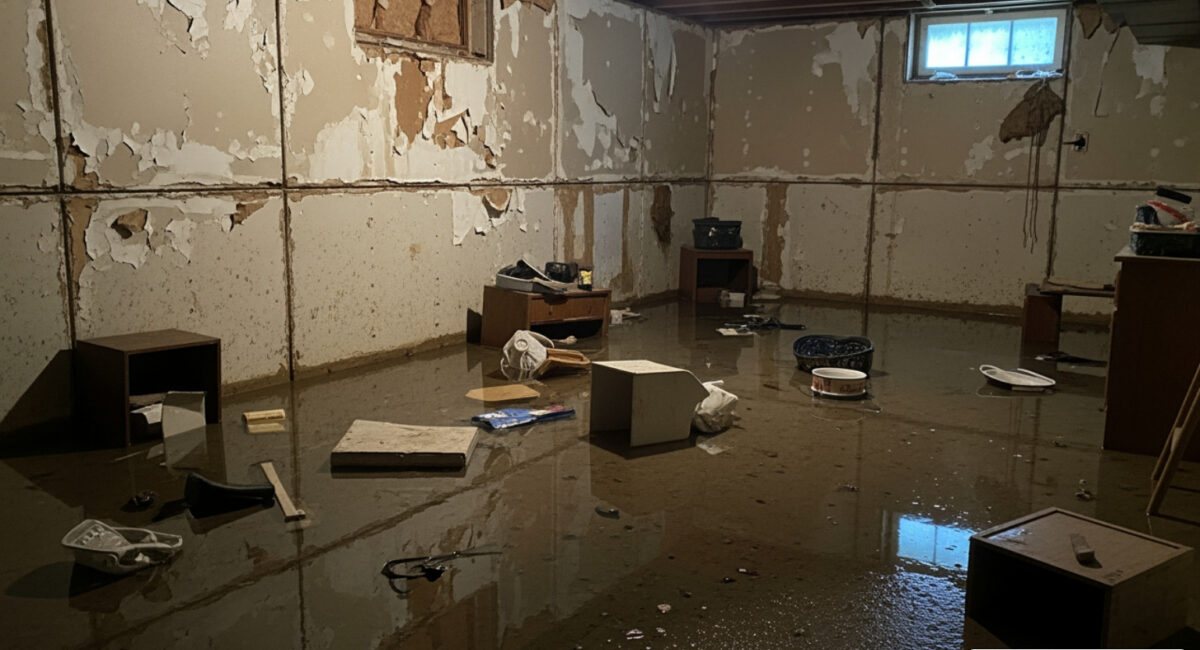
Small Basement Leaks, Big Problems: The Risks of Delaying Repairs
A small basement leak might not seem like a serious concern at first. A damp corner, a few drops of water near the foundation, or a slightly wet floor can easily go unnoticed during daily household activities. However, even minor water intrusion can gradually develop into significant structural damage, mold growth, and expensive repairs. Homeowners who ignore these early warning signs often discover that what started as a manageable issue has become a much larger problem.
Dealing with water in basement areas as soon as it appears is essential for protecting the home’s foundation, maintaining indoor air quality, and avoiding unnecessary restoration expenses. Understanding the risks of delayed repairs can help homeowners take preventive action before the situation becomes more complicated.
Small Leaks Can Lead to Structural Damage
One of the biggest concerns associated with basement leaks is their potential impact on a home’s structural integrity. Water can enter through foundation cracks, poorly sealed windows, damaged drainage systems, or gaps around plumbing connections. Although the initial moisture may appear harmless, continuous exposure can gradually weaken certain building materials.
Concrete foundations are designed to withstand significant pressure, but persistent moisture can contribute to deterioration, especially when combined with freezing temperatures or existing structural weaknesses. Water may also damage wooden framing, insulation, and other materials commonly found in finished basements.
Over time, homeowners might notice peeling paint, deteriorating drywall, warped flooring, or expanding cracks. These warning signs indicate that moisture may already be affecting areas beyond the original leak.
Addressing the source of water intrusion early can help prevent extensive structural repairs and preserve the condition of the property.
Mold Growth Can Begin Before You Notice It
Due to their subterranean location and frequently inadequate ventilation, basements naturally have higher humidity levels. When water enters these spaces, the additional moisture creates favorable conditions for mold development.
Under the right circumstances, mold can start growing on damp materials in 24 to 48 hours. Drywall, carpeting, wooden surfaces, and insulation are particularly vulnerable because they can retain moisture for extended periods.
One challenge is that mold does not always grow in visible locations. It may develop behind walls, underneath flooring, or inside insulation long before homeowners recognize a problem.
A persistent musty odor, discoloration, or unexplained dampness can indicate hidden moisture or microbial growth. Professional moisture inspections and mold remediation may be necessary when contamination becomes extensive.
Promptly repairing leaks and thoroughly drying affected materials significantly reduces the likelihood of recurring mold problems.
Delayed Repairs Can Increase Restoration Costs
Financial consequences are another important reason to address basement leaks immediately. A minor foundation crack or plumbing issue may initially require a relatively straightforward repair. However, allowing water intrusion to continue can increase the amount of damage and the complexity of restoration.
For example, a small leak affecting one section of flooring may eventually spread moisture into nearby walls, baseboards, and insulation. What could have been a limited repair might then require material removal, structural drying, and additional restoration work.
Repeated moisture exposure can also damage stored furniture, electronics, personal belongings, and household equipment.
Homeowners should remember that insurance coverage varies depending on the source of water damage. Gradual leaks and maintenance-related issues may not be covered under standard homeowners insurance policies. Taking immediate action can therefore help limit both property damage and unexpected expenses.
Basement Moisture Can Affect Indoor Air Quality
A basement leak is not necessarily an isolated problem. Moisture-related conditions in lower levels of a home can influence the environment in other living spaces.
Excess humidity encourages mold growth and may contribute to unpleasant odors. Air movement through stairways, ventilation systems, and openings between floors can carry moisture and airborne particles throughout the property.
For individuals with allergies, asthma, or respiratory sensitivities, exposure to mold and damp indoor environments may worsen existing symptoms.
Maintaining proper basement ventilation, controlling humidity, and addressing water intrusion are important steps toward healthier indoor conditions.
Dehumidifiers can help manage excess humidity, but they should not be considered permanent solutions when an active leak remains unresolved.
Identifying the Source Is Essential for Lasting Repairs
Successfully addressing basement water problems requires more than simply removing visible moisture. Homeowners must identify where the water is entering and determine why the problem developed.
Common causes include clogged gutters, improper yard grading, damaged foundation seals, leaking pipes, and inadequate drainage around the property.
During heavy rainfall or snowmelt, water may accumulate near foundation walls and eventually enter through existing openings.
A thorough inspection helps determine whether repairs should focus on plumbing, exterior drainage, foundation waterproofing, or interior moisture control.
Professional restoration specialists can also assess whether hidden moisture remains inside building materials after the visible water has been removed.
Conclusion
Small basement leaks should never be dismissed simply because the immediate damage appears limited. Persistent moisture can gradually compromise building materials, encourage mold growth, reduce indoor air quality, and create costly restoration challenges.
Homeowners who respond quickly to dampness, musty odors, or unexplained water accumulation have a better opportunity to prevent extensive damage. Identifying the source, completing necessary repairs, and ensuring proper drying are essential for long-term protection.
A dry, properly maintained basement supports a healthier living environment and helps preserve the overall value and condition of the home.
Leave a Comment