
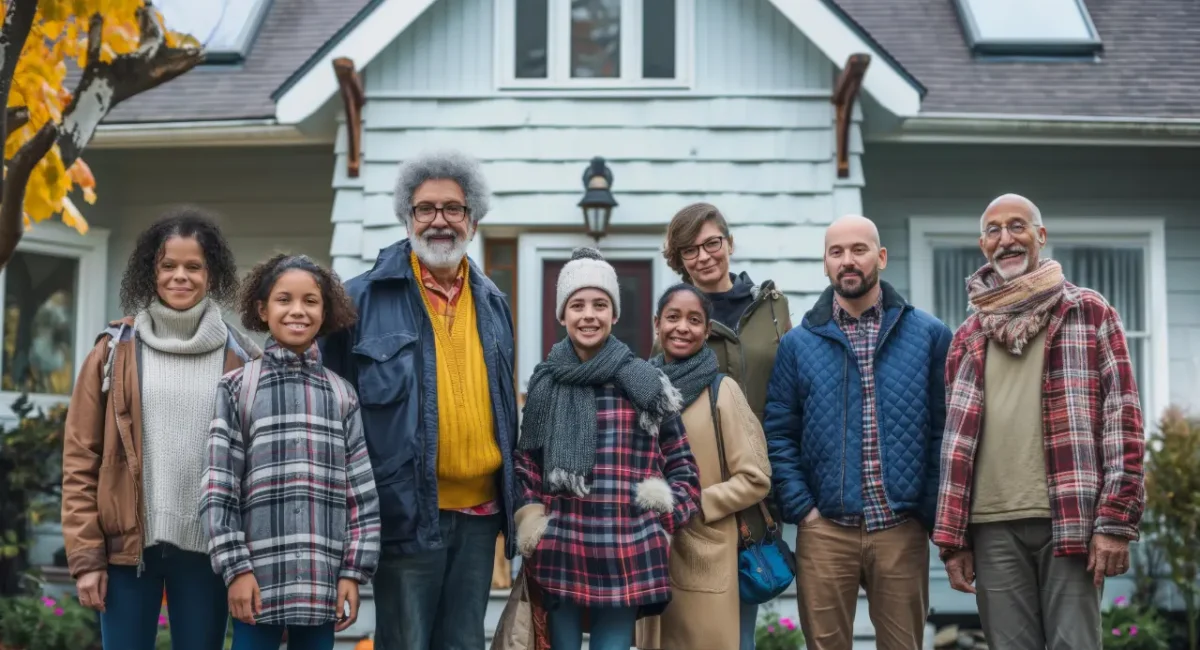
Why Multi Generational Homes Are Becoming Popular?
As families rethink how they live, how they can help each other, and how they want to live together, multigenerational houses are rising in popularity. In the past, people lived together in just one house, but now families spend more time together because the cost of living is going up and people are living longer. Multi generational homes are now a choice that lets people be independent while still living together.
Table of Contents
Economic Pressures Are Driving Change
One compelling argument for living together among family members is financial logic: buying or renting multiple houses can strain budgets significantly in cities or other places with high housing demand, so splitting costs of home maintenance between family members makes life simpler for young homebuyers as well as older relatives on fixed incomes who live together more comfortably. Multigenerational houses also allow families to afford larger renovations that add long-term value rather than paying twice for separate properties.
Aging Parents And Family Support Needs
Many families are searching for effective ways to provide their aging parents with assistance without compromising their own quality of life. Intergenerational living offers one solution – keeping loved ones close, protecting their freedom, and maintaining dignity; seniors get daily companionship from adult children who help provide assistance; their adult children feel comforted knowing help is nearby – creating more personalized family care spaces which often reduce costs associated with assisted living facilities.
Childcare And Parenting Benefits
Living together can also be very helpful for families with young kids because it gives grandparents a good way to help with things like taking care of kids, picking them up from school, daily chores, traditions, morals, and life lessons that kids can’t learn any other way. Intergenerational housing makes it easier for parents from different generations to work together, which in the end builds better families across generations.
Cultural Shifts And Changing Values
For both traditional and modern reasons, people from a lot of different countries value living together with family members and sharing responsibilities with family members now more than ever in multigenerational living Australia. In the past, living with extended family was normal in many parts of the world. Today, however, it has become a more realistic and emotionally satisfying choice. Families now value respect, building relationships, and shared experiences over living alone.
Home Design Is Adapting To New Lifestyles
Modern houses are increasingly designed with people in mind who live together without compromising privacy. Two kitchens, soundproofing, flexible floor plans, and flexible entrances help families cohabit comfortably. In multi generational homes Australiabuilders and architects are adapting designs that allow each generation to maintain individual space while sharing common areas – plans which help maintain harmony without creating conflict.
Emotional And Social Well-being
Living together offers emotional and social health advantages that cannot be found elsewhere. Talking to other people every day makes you less lonely, which is especially important for older people. It also gives kids a strong sense of connection with people from different groups. This shared space makes it easier for people to talk to each other and understand each other. It also makes people feel safe, which helps them deal with change or uncertainty more easily.
A Practical And Future Focused Choice
Multi generational homes have become an increasingly popular option because they enable families to manage problems together while staying close. Living together provides a holistic way of dealing with modern life – from financial support and mental help for each other, all the way through to giving and receiving mental support from one another. As housing markets fluctuate and family needs shift over time, shared living will likely remain an effective and long-lasting choice for families that aim to remain stable and connected.
Final Thought
As lifestyles change, multi generational homes are a good way to balance freedom and connection. They show a move toward housing situations that focus on shared duty, emotional closeness, and long-term security. By bringing generations together under one roof, families are not only adjusting to changes in the economy and society, they are also creating spaces that help everyone now and in the future.
Leave a Comment